

Introduction
Office hours are one of the most common ways for students to receive help from their instructors outside designated class time. Although teaching and learning research suggests a positive correlation between attending office hours and increased academic performance, many learners underutilize this resource (Gabow & Abdi, 2024; Guerrero & Rod, 2013; Hsu et al., 2022; Vaugh et al., 2024). It’s tempting to blame this discrepancy solely on a lack of student motivation. However, a growing body of literature suggests that structural and personal obstacles, such as accessibility and mental health concerns, may play a significant role (Hsu et al., 2022; Vaugh et al., 2024). While challenging, these barriers offer an opportunity for instructors to reimagine traditional office hours.
Faculty care deeply about helping students succeed, and such support is linked to higher levels of student motivation, engagement, and retention (Bardorfer, 2024; Prananto et al., 2025; Raboca & Carbunarean, 2024). Many instructors spend considerable time planning engaging classroom learning activities and meaningful assessments. Yet, office hours are frequently treated as unstructured administrative requirements rather than opportunities for more specific instruction. This mismatch creates an overlooked avenue for student support. By designing office hours as brief periods of targeted guidance, instructors can create learning experiences that better align with how modern learners actually seek support.

Why Won’t They Come?: A Look at Students’ Negative Perceptions of Office Hours
To understand why it’s necessary to rethink office hours, it’s helpful to think about them from the student’s point of view. Many students have a negative opinion of office hours for a variety of reasons:
-
Students misunderstand their purpose.
- Guerrero & Rod (2013) note that students may perceive office hours as useful only when they are struggling with course content. They do not recognize them as opportunities for personalized learning and mentorship outside of poor academic performance.
-
Students feel uncomfortable and intimidated.
- Vaughn et al. (2024) explain that students may perceive office hours as formal, rigid, and potentially awkward encounters with their professors. Further, they may worry that they are bothering them and will be judged for seeking extra help (“Office hours/Student hours”).
-
Students don’t have time to attend.
- Office hours may be scheduled at inconvenient times for students due to other classes or work (Vaughn et al., 2024). This issue is especially significant for first-generation and non-traditional students.
-
Students don’t feel they are helpful in the ways they need.
- Modern students can find answers to questions at the tips of their fingers. Digital tools, such as apps, videos, and podcasts, personalize learning (Szymkowiak et al., 2021). Unstructured office hours may be less effective in engaging students who seek low-stakes interactions with their instructors and immediate feedback aligned with more specific learning needs.
Rather than competing with convenient digital tools, office hours must offer something different: an authentic human connection.
Changing the way students view office hours requires instructors to rethink their purpose and structure. Faculty can accomplish this goal by designing them as flexible, student-centered time that meets learners where they are.

A New Approach to Office Hours
To make office hours feel like a valuable learning experience instead of an optional “extra,” instructors might consider framing them in multiple ways, depending on how they hope for them to serve students:
Mentorship Moments
One way to reconsider office hours is to prioritize relationship-building. Office hours are a valuable time for students to form relationships with their professors through personalized learning experiences (“Student Hours: A New Approach to Office Hours”). However, learners often miss this chance if they aren’t struggling. A simple rebrand can help solve the issue.
Referring to office hours as “Mentorship Moments” signals to students that meeting with their professor during a designated time is open to anyone (and doesn’t have to last hours!). Instructors can make Mentorship Moments feel relevant and accessible to students by clearly explaining how their time together might be used:
- Discussing career pathways related to a particular field of study
- Asking more in-depth questions about a topic they find particularly interesting or challenging
- Inquiring about research opportunities
A warm invitation from an instructor might encourage students who may otherwise feel too anxious or disengaged to attend. This welcome may come via course syllabus, virtual class announcement, email, or brief message at the end of a face-to-face class. A reminder such as, “If you’re interested in exploring how working professionals apply the concepts we have discussed, please stop by my office for a quick mentorship moment. I’d love to chat with you!” helps students understand the range of possibilities. Learners are more likely to engage with their instructors after class when they understand the interaction will be positive and beneficial (Vaughn et al., 2024).

Themed Workshops
In addition to relationship building, structuring time around shared academic needs can reduce ambiguity and stigma. While not all learners struggle, students often share similar questions or misconceptions about a course concept or idea (“Office Hours—An Often Underused Key to Student Success,” 2019). To reduce stigma and make office hours feel more approachable, instructors can frame them as brief workshops that center on a specific theme, topic, or course objective (“Student Hours: A New Approach to Office Hours”). Organized to provide guided instruction, themed workshop hours offer proactive learning support. Examples might look like:
- MLA/APA citation clinic
- Thesis statement revision workshop
- Midterm exam review
Reframing office hours as workshop time dedicated to helping students meet a specific learning objective reduces uncertainty and provides an opportunity for formative assessment.

Roving or Embedded Office Hours
In addition to purpose and structure, location also shapes student comfort and participation. Office hours can take many forms and take place in a variety of campus settings. Students may feel more comfortable in spaces that they already frequent:
- Library
- On-campus coffee shop
- Student Union
- Campus quad
Meeting in a familiar campus area removes the formality often associated with entering a professor’s office. Vaugh et al. (2024) note that such environmental changes help learners feel more comfortable and less pressured.
However, when thinking about where to meet, privacy, logistics, and cost should be considered. Conversations regarding sensitive topics or grades are usually better suited to a private meeting space, while part-time faculty without offices or instructors sharing office space may need to meet outside traditional office areas. Using free campus locations can help ensure participation doesn’t create a financial burden for students or instructors. Ultimately, the most effective office hours are designed to create inclusive, accessible, and appropriate learning environments for both the conversation and the participants.

Virtual Office Hours
Finally, modality is an important point of consideration. Today’s higher education students value flexibility, as many must balance work, family, and academic responsibilities (Schultz, 2025). Due to these competing priorities, learners may face scheduling, transportation, caregiving, or work-related barriers to attending office hours. To meet learners where they are, instructors can offer virtual office hours in a variety of formats:
- Synchronous video drop-in sessions via Zoom, Microsoft Teams, or Google Meet
- Text-based discussions facilitated through course discussion board or other chat platforms
- Virtual conferences scheduled using software, such as Microsoft Bookings or Calendly
Such options may also benefit students who feel anxious interacting with instructors in an office setting (Vaugh et al., 2024). By offering virtual office hours, faculty can empower an increasingly diverse student population to seek the academic support they need.
Conclusion
Office hours remain a largely underutilized resource for strengthening connections between instructors and students. When strictly conceptualized as “office hours,” learners may perceive this time as daunting, inconvenient, or unnecessary.
By reimagining office hours to meet the needs of modern students, instructors can create more approachable and meaningful opportunities for connection.
Small changes in structure, location, communication, and purpose can help transform traditional office hours into a collaborative resource for mentorship, proactive learning, and student success. This conceptual shift suggests that how instructors design access to support is just as important as the support being offered.
Faculty interested in complementary approaches to rethinking office hours may find the blog posts below from the K. Patricia Cross Academy’s CrossCurrents library to be helpful in creating a more welcoming learning environment:
The Liquid Syllabus: Humanizing How We Introduce Our Courses

- Reframing office hours is essentially about humanizing access to faculty, and this post offers a look at how subtle shifts in how a course is presented can help students perceive it as welcoming and approachable before it even begins.
Teaching with Care: A Trauma-Informed Approach to Higher Education

- Care-centered teaching recognizes barriers to engagement, such as mental health challenges and a sense of belonging. Office hours that include virtual formats, alternative spaces, and proactive outreach align with trauma-informed and inclusive pedagogy.
Strategies for Sustaining Student Motivation for the Full Academic Term

When thoughtfully implemented, office hours can provide continuous support to learners throughout the semester, helping them sustain motivation and engagement beyond moments of crisis or academic difficulty.
Suggested Citation
Gutenson, L. D. (n.d.). Modern office hours: Designing support students will actually use. CrossCurrents. https://kpcrossacademy.ua.edu/modern-office-hours-designing-support-students-will-actually-use/
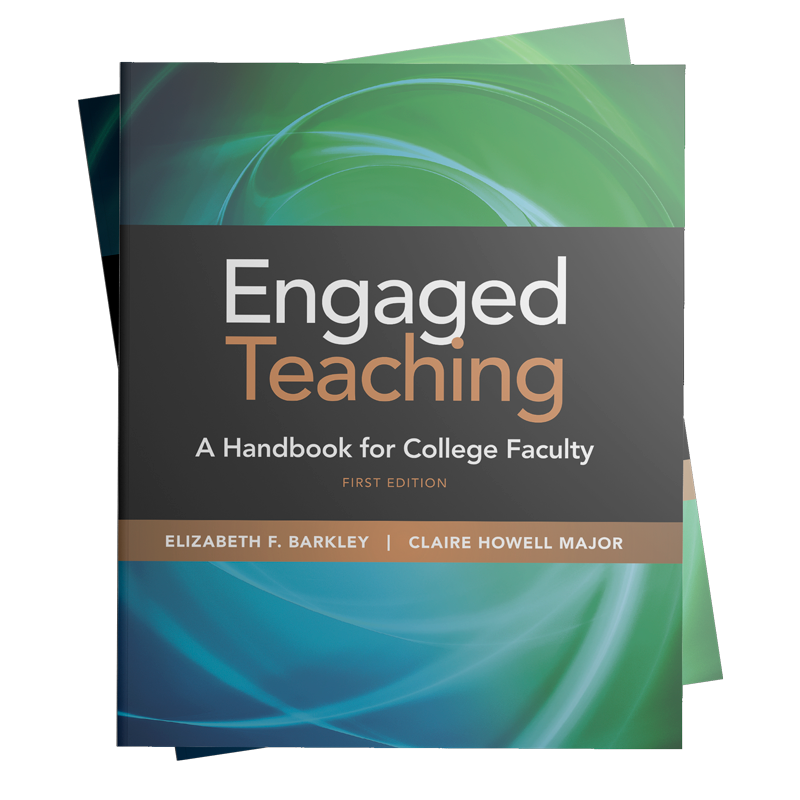
Engaged Teaching
A Handbook for College Faculty
Available now, Engaged Teaching: A Handbook for College Faculty provides college faculty with a dynamic model of what it means to be an engaged teacher and offers practical strategies and techniques for putting the model into practice.
Learn More